
Korean Winter Skincare: Cold Weather Beauty Tips

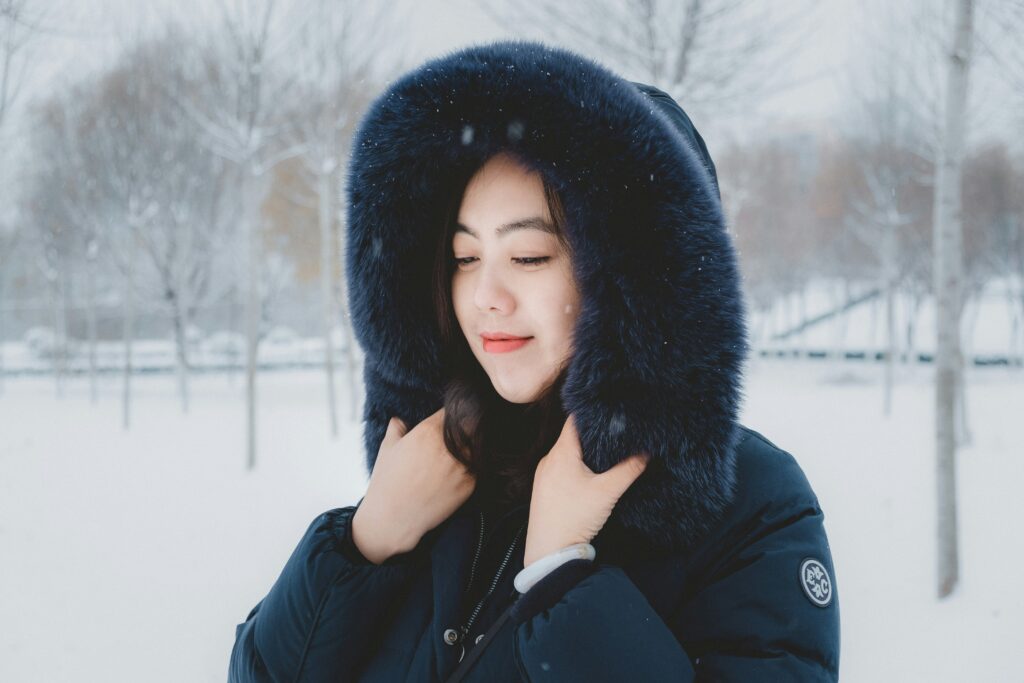
When winter arrives in Korea, you’ll notice something almost magical: everyone’s skin seems to glow despite the harsh, cold winds whipping through Seoul’s streets. Whether you’re navigating through Myeongdong’s bustling shopping district or waiting for the bus on a freezing morning, Korean beauty enthusiasts have mastered the art of protecting their skin from winter’s brutality. If you’ve ever wondered how Koreans maintain that dewy, radiant complexion even when temperatures plummet, you’re about to discover their secrets—and learn the Korean vocabulary that will help you navigate Korea’s incredible beauty culture.
Understanding Korea’s Winter Skincare Philosophy
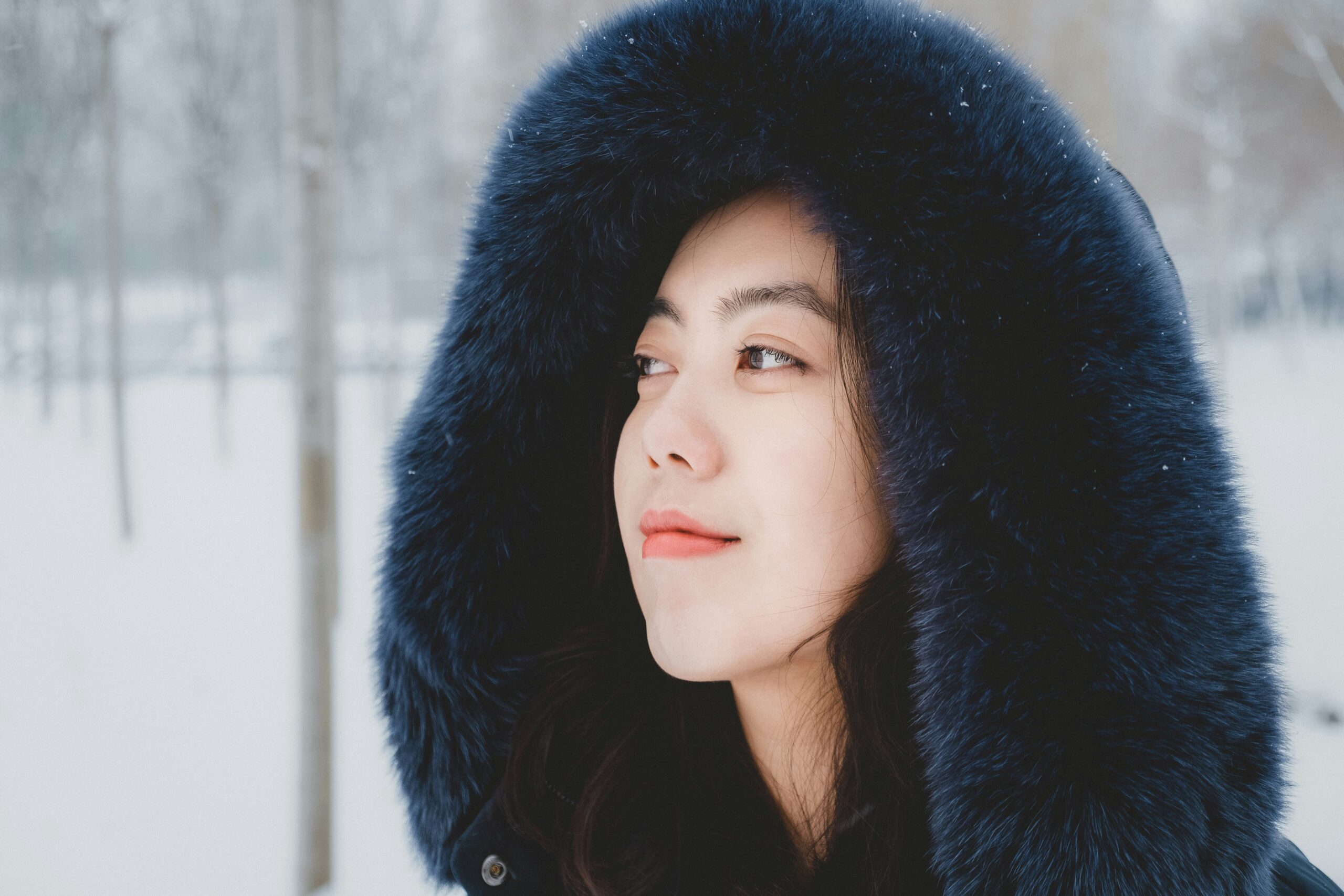
Korean skincare isn’t just about looking good—it’s a form of self-care deeply rooted in the culture. During winter, when the **건조함** (geonjoham) – dryness becomes unbearable, Koreans take their skincare routines even more seriously. The Korean approach to winter skincare is called **겨울 피부 관리** (gyeoul pibu gwalli) – winter skin management, and it’s based on prevention rather than treatment.
The fundamental principle is **보습** (seubseup) – hydration and **보호** (boho) – protection. Unlike Western skincare that often focuses on quick fixes, Korean winter skincare emphasizes building a barrier to protect against the **찬바람** (chanbaram) – cold wind and **실내 난방** (silnae nanbang) – indoor heating, both of which strip moisture from your skin.
When shopping for skincare products in Korea during winter, you’ll frequently encounter the term **수분 크림** (sumun keurim) – moisture cream and **영양 크림** (yeongyanggyeoulcream) – nourishing cream. Salespeople at stores like Olive Young or Aritaum might ask you: “피부가 건조하세요?” (Pibuga geonjohasaeyo?) – “Is your skin dry?” This is your cue to explain your winter skincare concerns.
Real-life scenario: When you walk into a Korean beauty store, you might hear: “겨울용 제품 찾으세요?” (Gyeoulyong jepum chajeuseyo?) – “Are you looking for winter products?” A helpful response would be: “네, 건조한 피부에 좋은 크림 있어요?” (Ne, geonjohan pibue joeun keurim isseoyo?) – “Yes, do you have a good cream for dry skin?”
The Korean Winter Skincare Routine: Layer by Layer
Korean skincare is famous for its multi-step routine, and winter requires even more attention to **레이어링** (reiering) – layering. The concept is simple: thin layers of hydration build up to create a protective barrier. Here’s how Koreans adjust their routine for **추운 날씨** (chuun nalssi) – cold weather:
Step 1: 클렌징 (keullensing) – Cleansing
During winter, Koreans switch from gel cleansers to **클렌징 밤** (keullensing bam) – cleansing balm or **클렌징 오일** (keullensing oil) – cleansing oil. These products don’t strip away the skin’s natural oils. You might ask at a store: “순한 클렌저 있어요?” (Sunhan keullenjeo isseoyo?) – “Do you have a gentle cleanser?”
Step 2: 토너 (toneo) – Toner
Korean **토너** isn’t like Western astringents. Winter toners are called **보습 토너** (boseup toneo) – hydrating toner or **스킨** (seukin) – skin, which is packed with moisture. The application method is important: pat it into your skin saying “두드려 바르기” (dudeuryeo bareugi) – patting application.
Step 3: 에센스 (eseonseu) – Essence
This lightweight, concentrated treatment is Korea’s secret weapon. In winter, look for **발효 에센스** (balhyo eseonseu) – fermented essence or **히알루론산 에센스** (hialluronsan eseonseu) – hyaluronic acid essence.
Step 4: 세럼 (sereom) – Serum and 앰플 (aempeul) – Ampoule
For winter, **영양 세럼** (yeonyang sereom) – nourishing serum becomes essential. Many Koreans use ampoules, which are more concentrated than serums.
Step 5: 크림 (keurim) – Cream
The final step is a **수분 크림** for day and **영양 크림** for night. In extreme cold, Koreans practice **크림 샌드위치** (keurim saendeuwichi) – cream sandwich method, applying cream, then essence, then cream again.
When discussing your routine with Korean friends, you might say: “저는 겨울에 5단계 스킨케어 해요” (Jeoneun gyeoure 5dangye seukinkeeo haeyo) – “I do a 5-step skincare routine in winter.”
Must-Have Winter Skincare Ingredients in Korean Beauty
Korean skincare is ingredient-focused, and knowing these terms will help you make informed choices. Here are the **겨울 필수 성분** (gyeoul pilsu seongbun) – essential winter ingredients:
**세라마이드** (seramaideu) – Ceramides: These repair the skin barrier. Ask for “세라마이드 들어간 제품” (seramaideu deureogan jepum) – “products containing ceramides.”
**히알루론산** (hialluronsan) – Hyaluronic Acid: This moisture magnet holds 1000 times its weight in water. You’ll see it listed as **히알루론산 나트륨** (hialluronsan nateuryum).
**나이아신아마이드** (niasinamaideu) – Niacinamide: This brightens and strengthens the skin barrier—perfect for combating winter dullness or **칙칙함** (chikchikham).
**스쿠알란** (seukualan) – Squalane: A lightweight but deeply nourishing oil that mimics skin’s natural sebum.
**센텔라 아시아티카** (sentella asiatika) – Centella Asiatica: Also called **병풀** (byeongpul) or **시카** (sika), this soothing ingredient is perfect for skin irritated by cold winds.
**벌꿀** (beolkkul) – Honey and **프로폴리스** (peuropolliseu) – Propolis: These natural ingredients provide intense hydration and healing properties.
When learning Korean through practical contexts like skincare shopping, you’re not just memorizing vocabulary—you’re preparing for real conversations. Understanding these ingredient names helps you read Korean product labels, discuss recommendations with locals, and make the most of Korea’s innovative beauty culture.
Korean Winter Beauty Habits Beyond Skincare
Korean winter beauty extends beyond products. It’s a lifestyle approach called **내외 케어** (naeoe keeo) – inside and outside care. Here are practices that Koreans swear by:
**온천** (onchaeon) – Hot Springs and **찜질방** (jjimjilbang) – Korean Saunas: Regular visits to saunas help with **혈액 순환** (hyeoraek sunhwan) – blood circulation and **노폐물 배출** (nopemul baechul) – toxin elimination. After sweating, Koreans apply **수분 팩** (sumun paek) – hydrating masks.
**충분한 수분 섭취** (chungbunhan sumun seopchwi) – Adequate Water Intake: Koreans drink lots of **따뜻한 물** (ttatteuthan mul) – warm water in winter. You’ll often hear: “물 많이 마셔야 피부가 좋아요” (Mul mani masyeoya pibuga joayo) – “You should drink lots of water for good skin.”
**가습기** (gaseupgi) – Humidifier: Almost every Korean home and office has one running constantly. The dry indoor heating is called **건조한 실내** (geonjohan silnae), and humidifiers combat this. You might say: “가습기 틀어야겠어요” (Gaseupgi teureoyagesseoyo) – “I should turn on the humidifier.”
**비타민** (bitamin) – Vitamins: Koreans take vitamin supplements seriously in winter, especially **비타민 C** for skin brightness and **비타민 D** which is harder to get from sunlight during short winter days.
**선크림** (seonkeurim) – Sunscreen: Yes, even in winter! Koreans never skip **자외선 차단제** (jaoeseon chadanje) – UV protection. The winter sun reflecting off snow can still damage skin.
If you’re learning Korean through structured programs, incorporating beauty and lifestyle vocabulary makes your learning journey more practical and engaging. These aren’t just words—they’re keys to understanding Korean daily life and culture.
Shopping for Winter Skincare in Korea: Practical Language Tips
Navigating Korean beauty stores can be overwhelming, but knowing the right phrases makes all the difference. Here are real-life conversations you’ll have:
At the store entrance:
Staff: “어서 오세요! 무엇을 도와드릴까요?” (Eoseo oseyo! Mueoseul dowadeurilkkayo?) – “Welcome! How can I help you?”
You: “겨울용 보습 크림 추천해 주세요” (Gyeoulyong boseup keurim chucheonhae juseyo) – “Please recommend a winter moisturizing cream.”
Discussing your skin type:
– **건성 피부** (geonseong pibu) – dry skin
– **지성 피부** (jiseong pibu) – oily skin
– **복합성 피부** (bokhapseong pibu) – combination skin
– **민감성 피부** (mingamseong pibu) – sensitive skin
Asking about products:
– “이거 테스터 있어요?” (Igeo teseuteo isseoyo?) – “Do you have a tester for this?”
– “샘플 주시겠어요?” (Saempeul jusigesseoyo?) – “Could you give me samples?”
– “가격이 얼마예요?” (Gagyeogi eolmayeyo?) – “How much is it?”
– “이게 베스트셀러예요?” (Ige beseuteuselleoeyeyo?) – “Is this a bestseller?”
These everyday interactions are exactly what platforms like uBitto help you practice. Rather than just memorizing isolated words, you learn Korean in context, preparing you for real situations whether you’re shopping in Seoul or chatting with Korean friends online.
FAQ: Korean Winter Skincare Questions Answered
Q: How do I say “my skin is flaking” in Korean?
A: “피부가 각질이 일어나요” (Pibuga gakjiri ireonayo) or “피부가 벗겨져요” (Pibuga beotgyeojyeoyo). The word **각질** (gakjil) means dead skin cells or flakes.
Q: What’s the difference between 수분 (sumun) and 보습 (boseup)?
A: Both relate to moisture, but **수분** refers to water content or hydration, while **보습** means moisturizing or the act of keeping skin hydrated. Products labeled **수분** add water to skin; **보습** products help retain that moisture.
Q: How often do Koreans use sheet masks in winter?
A: Many Koreans use **마스크 팩** (maseukeu paek) or **시트 마스크** (siteu maseukeu) daily during winter, especially before bed. The phrase is “매일 밤 마스크 팩을 해요” (Maeil bam maseukeu paegeul haeyo) – “I do a mask pack every night.”
Q: What should I ask for if my skin feels tight after cleansing?
A: Say “세안 후에 피부가 당겨요” (Sean hue pibuga danggyeoyo) – “My skin feels tight after cleansing.” They’ll recommend a gentler cleanser or **약산성 클렌저** (yaksanseong keullenjeo) – mildly acidic cleanser.
Q: Are Korean skincare products expensive?
A: There’s a huge range. You can ask: “가성비 좋은 제품 있어요?” (Gaseongbi joeun jepum isseoyo?) – “Do you have good cost-performance products?” **가성비** (gaseongbi) is a popular term meaning value for money.
Q: How do I ask about vegan or cruelty-free products?
A: Ask “비건 제품 있어요?” (Bigeon jepum isseoyo?) for vegan products or “동물 실험 안 한 제품 있어요?” (Dongmul silheom an han jepum isseoyo?) – “Do you have products not tested on animals?”
Conclusion: Your Winter Skincare Journey in Korean
Mastering Korean winter skincare vocabulary isn’t just about beauty—it’s a gateway to understanding Korean culture, values, and daily life. The Korean emphasis on prevention, patience, and consistent care reflects broader cultural attitudes toward self-improvement and well-being. When you can discuss **보습** and **영양**, ask for **세라마이드**, and explain that your **피부가 건조해요**, you’re not just shopping—you’re connecting.
Winter in Korea is harsh, but it’s also beautiful. As you walk through snow-covered streets, warm up in cozy cafes, and explore bustling beauty districts, you’ll find that Koreans love sharing their skincare secrets. Every conversation about **겨울 피부 관리** is an opportunity to practice Korean, learn something new, and build relationships.
Remember, the best skincare routine is consistent, and the same applies to language learning. Whether you’re learning Korean through daily practice, exploring structured programs, or looking for ways to teach Korean more effectively, the key is regular engagement with real-life contexts—just like your winter skincare layering routine!
Ready to dive deeper into practical Korean? Start incorporating these skincare terms into your daily practice. Write out your skincare routine in Korean, visit Korean beauty websites, watch K-beauty YouTube channels without subtitles, or better yet, join a program that connects you with real Korean conversations and contexts. Your skin and your Korean skills will thank you!
겨울에도 건강하고 아름다운 피부 유지하세요! (Gyeoure-do geonganghago areumdaun pibu yujihasaeyo!) – Maintain healthy and beautiful skin even in winter!




Responses