
Korean Winter Skincare: Cold Weather Beauty Tips

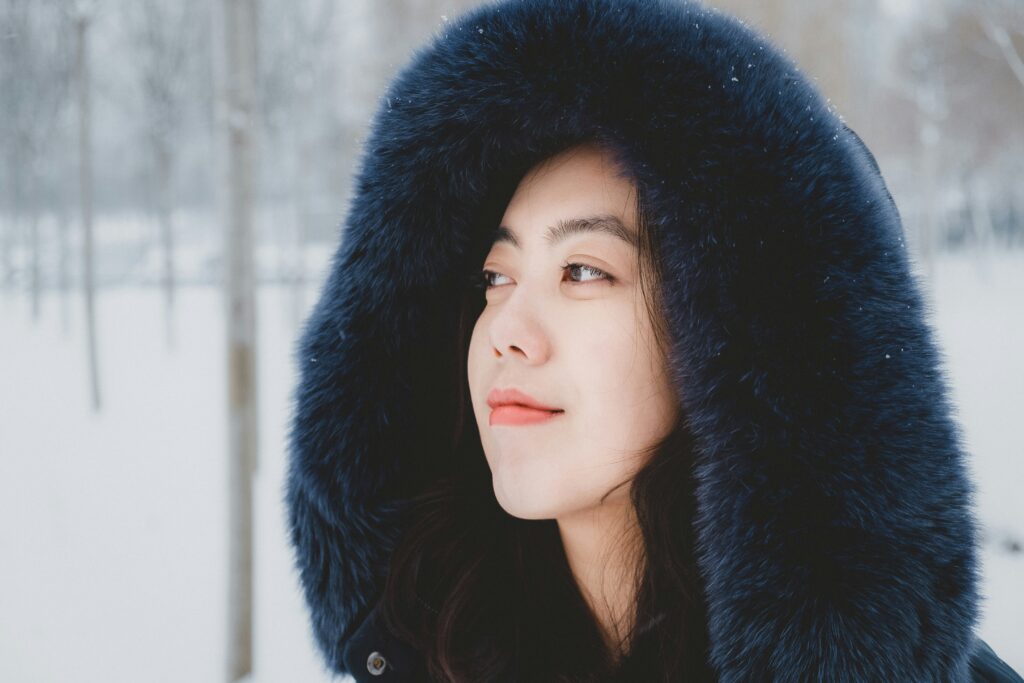
When the first snowflakes begin to fall in Seoul and the Han River starts to freeze, Korean beauty enthusiasts know it’s time to switch up their skincare routines. Winter in Korea isn’t just about cozy cafés and ski trips—it’s a season that demands serious attention to your skin. If you’ve ever wondered why Korean skin looks luminous even in the harshest 겨울 (gyeoul) – winter weather, you’re about to discover the secrets that have been passed down through generations and perfected by modern K-beauty innovation.
Understanding Korean Winter Skincare Philosophy

Korean skincare isn’t just a routine—it’s a 문화 (munhwa) – culture. The approach to winter skincare in Korea centers around one core principle: prevention is better than cure. Rather than waiting until your skin becomes dry and cracked, Korean beauty wisdom teaches us to anticipate seasonal changes and adjust accordingly.
The Korean concept of 피부 관리 (pibu gwalli) – skin care emphasizes layering lightweight, hydrating products rather than relying on one heavy cream. This philosophy becomes even more critical during winter months when indoor heating systems (especially the beloved 온돌 (ondol) – traditional Korean underfloor heating) can suck moisture from the air and your skin simultaneously.
What makes Korean winter skincare unique is its balance between traditional ingredients like ginseng and modern scientific innovations. Walking through the streets of Myeongdong or browsing the aisles of Olive Young, you’ll notice products specifically labeled 겨울용 (gyeoul-yong) – for winter use, showing just how seriously Koreans take seasonal skincare adaptation.
The Seven Layers of Winter Protection
You’ve probably heard of the famous Korean 10-step skincare routine, but winter calls for strategic modifications. Here’s how to build your cold-weather armor:
클렌징 (keullaenjing) – cleansing should become gentler in winter. Switch from foaming cleansers to oil-based or cream cleansers that don’t strip your skin’s natural 보습막 (boseumnmak) – moisture barrier. Many Koreans practice double cleansing even in winter, but they opt for more nourishing formulas.
토너 (toneo) – toner takes on extra importance during cold months. Korean toners, or what’s often called 스킨 (seukin), are nothing like their Western counterparts. They’re hydrating essences that prep your skin to absorb subsequent products better. The famous “7 skin method”—applying toner seven times—was actually invented as a winter hydration technique.
에센스 (eseonseu) – essence and 세럼 (sereum) – serum become your best friends. Look for ingredients like hyaluronic acid (which Koreans call 히알루론산 (hialluronsan)), niacinamide, and fermented extracts. These lightweight layers pack serious hydration without feeling heavy.
The final steps include 아이크림 (aikeurim) – eye cream, 모이스처라이저 (moiseucheoraijeo) – moisturizer, and the crucial 선크림 (seonkeurim) – sunscreen. Yes, even in winter! Korean dermatologists are adamant about daily SPF, as UV rays reflect off snow and can be particularly damaging.
Ingredients That Brave the Cold

Korean winter skincare draws heavily from traditional ingredients that have warmed and protected skin for centuries. 인삼 (insam) – ginseng is perhaps the most revered. This root has been cultivated in Korea for over 2,000 years and is prized for its ability to improve blood circulation and add a natural glow to dull winter skin.
꿀 (kkul) – honey appears in countless Korean winter formulations. Not just any honey, but often 한방 (hanbang) – traditional Korean medicinal honey infused with herbs. It’s naturally antibacterial and incredibly moisturizing, making it perfect for chapped winter skin.
Another winter warrior is 동백기름 (dongbaek-gireum) – camellia oil, sourced from Jeju Island. This lightweight oil has been used by Korean women for generations to protect skin and hair from harsh weather. Unlike heavy Western oils, camellia absorbs quickly while providing lasting moisture.
Modern Korean skincare has also embraced 발효 (balhyo) – fermentation technology. Fermented ingredients like 효모 (hyomo) – yeast and fermented rice water have enhanced bioavailability, meaning your skin can absorb and use these ingredients more effectively—crucial when your skin barrier is compromised by cold weather.
If you’re learning Korean and find yourself confused by all the ingredient names on product labels, practicing with real-world examples like skincare products can actually make vocabulary stick better than traditional study methods. That’s one of the philosophies behind uBitto’s contextual learning approach—connecting language learning with aspects of daily life that genuinely interest you.
The Weekly Ritual: Masks and Special Treatments

No discussion of Korean skincare would be complete without addressing 마스크팩 (maseukeupaek) – face mask packs. While sheet masks are used year-round in Korea, winter calls for specific types and increased frequency.
수면팩 (sumyeonpaek) – sleeping masks become essential during winter nights. These are leave-on treatments applied as the last step before bed. They seal in all your previous layers and work overnight when your skin’s repair mechanisms are most active. Popular options include those with 라벤더 (rabendeo) – lavender for calming or 녹차 (nokcha) – green tea for antioxidant protection.
Steam treatments, or 찜질 (jjimjil), are another winter staple. Many Koreans visit 찜질방 (jjimjilbang) – Korean spas during winter specifically for skin benefits. The combination of heat and humidity helps open pores, increase circulation, and prepare skin for deep treatment. If you can’t visit a jjimjilbang, a simple home steam with 율무 (yulmu) – Job’s tears or chamomile can work wonders.
For exfoliation, winter requires a lighter touch. Rather than harsh physical scrubs, Koreans prefer 필링젤 (pilling-jel) – peeling gels or gentle enzyme treatments. The key word is 부드럽게 (budeureopge) – gently. Over-exfoliation in winter destroys your protective barrier, leaving skin vulnerable to the elements.
Beyond the Face: Full Body Winter Care
Korean beauty wisdom extends beyond facial skincare to total body care, especially important during winter. The term 바디케어 (badikeeo) – body care encompasses everything from your neck to your toes.
보디로션 (bodilossyeon) – body lotion should be applied immediately after showering, while skin is still slightly damp. Many Koreans keep their body lotion in the bathroom for this reason. Look for formulas containing 시어버터 (sieobeteo) – shea butter or 코코넛오일 (kokonet-oil) – coconut oil.
Don’t forget your 입술 (ipsul) – lips! Korean lip care goes beyond simple balm. There are overnight lip masks, lip scrubs made with 설탕 (seoltang) – sugar, and tinted lip treatments that protect while adding color. Chapped lips are considered not just uncomfortable but also aesthetically undesirable in Korean beauty standards.
Hand care, or 핸드케어 (haendeukeeeo), is particularly important in Korea’s cold winters. You’ll notice many Koreans carrying 핸드크림 (haendeukeurim) – hand cream everywhere. The practice of applying hand cream after each hand washing is common, and many offices even provide communal hand cream dispensers.
For those teaching Korean language, discussing beauty and self-care routines can be an engaging way to connect with students’ interests while teaching practical vocabulary. If you’re an educator looking to make your lessons more relevant to everyday Korean life, exploring tools that integrate cultural context can make a significant difference in student engagement.
The Indoor-Outdoor Balance

One unique challenge of Korean winter is the dramatic difference between outdoor cold and indoor heating. 실내외 온도차 (silnaeoe ondocha) – indoor-outdoor temperature difference can be as much as 40 degrees Celsius in some cases!
This is where the concept of 가습기 (gaseupgi) – humidifier becomes crucial. You’ll find these in almost every Korean home, office, and café during winter. Maintaining indoor humidity between 40-60% helps prevent skin dehydration. Some Koreans even place bowls of water near radiators or use 젖은 수건 (jeojeun sugeon) – wet towels as makeshift humidifiers.
보습 스프레이 (boseup seupeurei) – hydrating sprays are carried in purses for quick refreshment throughout the day. These aren’t just water—they contain minerals, essence, or even tiny amounts of oil to lock in moisture instantly. The practice of spritzing between indoor and outdoor transitions helps skin adjust to temperature changes.
Korean office workers often keep a 미니 스킨케어 세트 (mini seukinkeeo seteu) – mini skincare set at their desks. This typically includes a hydrating mist, hand cream, and lip balm for midday touch-ups. The concept of 수시로 (susiro) – frequently or at any time applies to winter skincare—you maintain your skin throughout the day, not just morning and night.
Lifestyle Habits for Winter Glow
Korean beauty secret isn’t just about products—it’s about 생활습관 (saenghwalseupgwan) – lifestyle habits. What you eat, drink, and do matters as much as what you apply to your skin.
수분 섭취 (subun seopchwi) – water intake is emphasized even more in winter despite reduced thirst. Koreans often drink warm water or traditional teas like 유자차 (yujacha) – yuzu tea or 대추차 (daechucha) – jujube tea, which provide hydration plus additional skin benefits from vitamins and antioxidants.
Diet plays a crucial role, with winter foods focusing on 보양 (boyang) – nourishment. Soups like 삼계탕 (samgyetang) – ginseng chicken soup and stews packed with vegetables provide internal hydration and nutrients that manifest externally as healthy skin. The Korean saying 몸이 따뜻하면 피부도 따뜻하다 (momi ttatteutamyeon pibudo ttatteuthada) – when the body is warm, the skin is warm too—reflects this holistic approach.
Sleep, or 수면 (sumyeon), is called 미용의 적 (miong-ui jeok) – beauty’s friend. Koreans take their eight hours seriously, knowing that skin regeneration peaks during deep sleep. Winter’s longer nights make this easier, and many embrace earlier bedtimes as part of their skincare routine.
Exercise, particularly 유산소 운동 (yusanso undong) – aerobic exercise, helps maintain healthy circulation even when cold weather makes you want to stay indoors. Many Koreans hit the gym or practice home workouts during winter specifically for skin health benefits, not just fitness.
Embrace Your Winter Glow
As you can see, Korean winter skincare is about much more than slathering on thick cream and hoping for the best. It’s a thoughtful, layered approach that combines traditional wisdom with modern innovation, treating skin care as an act of self-respect and cultural practice.
Whether you’re living in Korea, visiting during the winter months, or simply want to adopt these time-tested techniques wherever you are, the Korean approach offers valuable lessons: be proactive, layer strategically, and remember that beautiful skin is built through consistent daily habits, not miracle products.
Learning about Korean skincare can also be a delightful entry point into the language and culture itself. Each product name, each ingredient, and each technique carries linguistic and cultural meaning. If you’re passionate about Korean beauty and want to deepen your understanding of the language behind it, exploring immersive learning methods that connect your interests with language acquisition can make your Korean learning journey as glowing as your winter skin.
This winter, as you build your own 겨울 스킨케어 루틴 (gyeoul seukinkeeo rutin) – winter skincare routine, remember: you’re not just protecting your skin from the cold—you’re participating in a beautiful tradition that values care, prevention, and the belief that taking time for yourself is never time wasted. 건강한 피부 (geongganghan pibu) – healthy skin is beautiful skin, no matter the season.
Stay warm, stay hydrated, and stay glowing! What winter skincare challenges do you face? Share your experiences and let’s learn from each other’s 겨울나기 (gyeoulnagi) – winter survival strategies!



Responses