
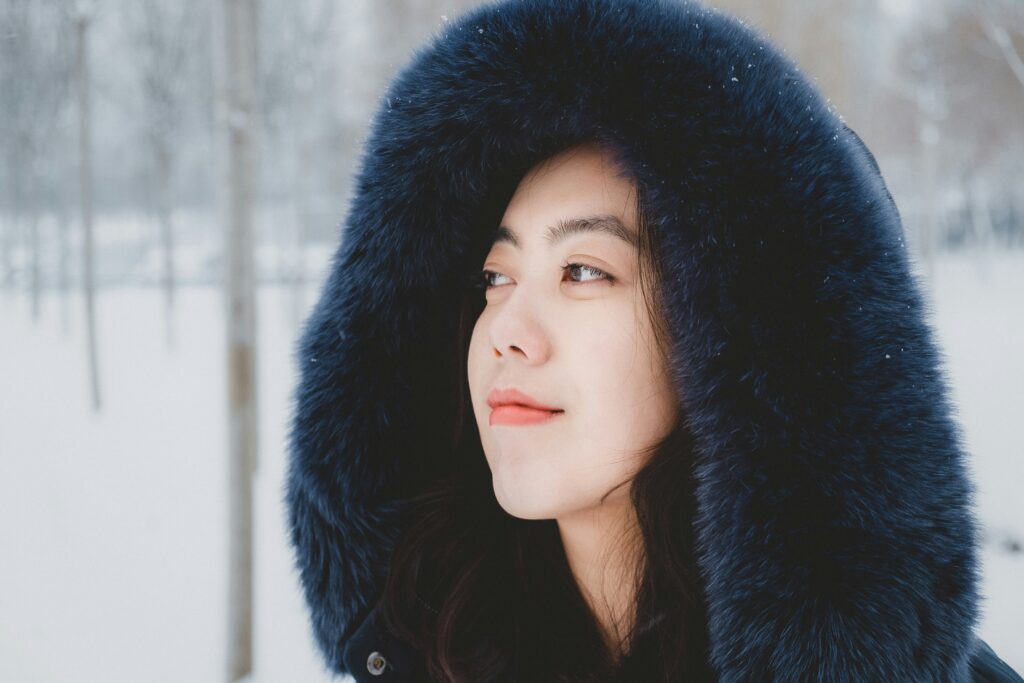
Korean Winter Skincare: Cold Weather Beauty Tips

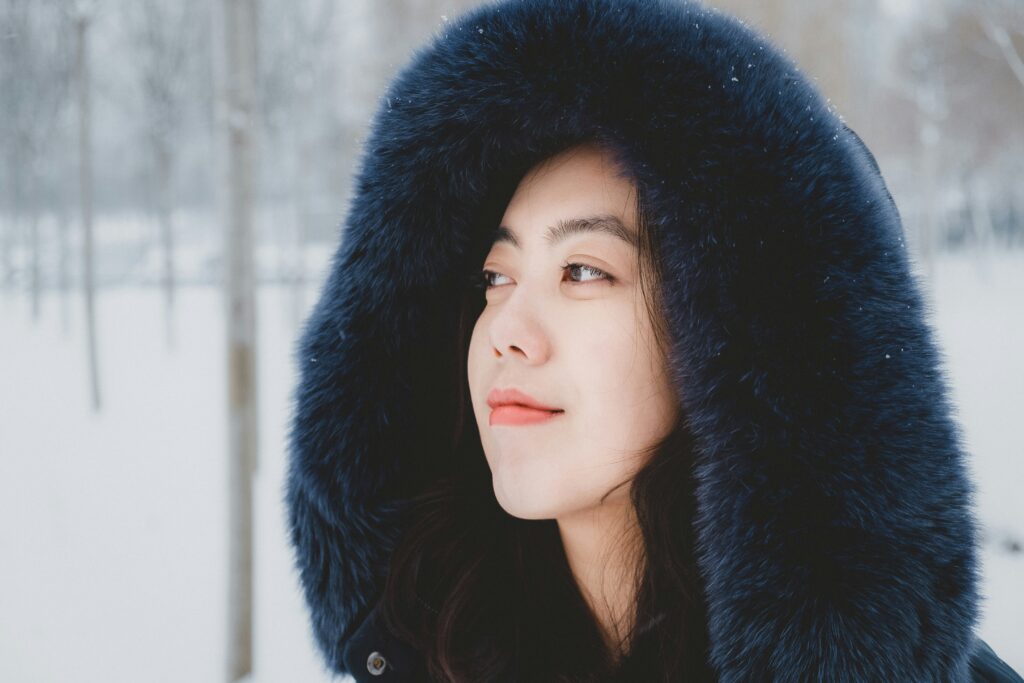
As the first snowflakes of winter dust the streets of Seoul and icy winds sweep through the Han River, Korean beauty enthusiasts know it’s time to completely transform their skincare routines. If you’ve ever wondered why Korean skin looks so luminous even in the harshest winter months, you’re about to discover the secrets that have made K-beauty a global phenomenon. Winter in Korea isn’t just about bundling up in cozy coats—it’s about protecting and nourishing your skin with the dedication of a well-practiced ritual.

Understanding Korean Winter Skincare Philosophy
Korean skincare in winter revolves around one essential concept: **수분** (sumun) – moisture. Unlike Western approaches that often focus on heavy creams alone, Korean winter skincare emphasizes layering multiple products to create a protective barrier against harsh elements. The philosophy is simple yet profound: prevention is better than cure.
During winter, Koreans talk about **건조함** (geonjoham) – dryness, as the primary enemy of healthy skin. The combination of freezing outdoor temperatures and indoor heating systems creates the perfect storm for dehydrated, flaky skin. This is why you’ll often hear the term **보습** (seup) – moisturizing, mentioned repeatedly in Korean beauty conversations during winter months.
The Korean approach also emphasizes **피부장벽** (pibu jangbyeok) – skin barrier. Strengthening this natural protective layer is considered crucial for maintaining healthy skin throughout winter. This concept has become so central to K-beauty that it has influenced skincare trends worldwide.
Interestingly, learning about Korean skincare terminology can enhance your understanding of the culture itself. If you’re interested in diving deeper into Korean language and lifestyle topics like these, exploring resources at uBitto for learners can help you connect language learning with real-world cultural practices.
The Essential Seven-Layer Winter Routine

The famous Korean **7단계 스킨케어** (childan-gye seukhinkeeo) – seven-step skincare routine, becomes even more critical during winter. Each layer serves a specific purpose in combating cold weather’s effects on your skin.
Step 1: Oil-Based Cleanser
Start with a **클렌징 오일** (keullenjing oil) – cleansing oil. Even in winter, this step is crucial for removing makeup and sunscreen without stripping your skin’s natural oils.
Step 2: Water-Based Cleanser
Follow with a gentle **폼 클렌저** (pom keullenjeo) – foam cleanser. In winter, choose one with a lower pH to prevent excessive drying. Look for products containing **약산성** (yaksanseong) – mildly acidic, formulations.
Step 3: Exfoliation (2-3 times weekly)
Winter requires gentler **각질제거** (gakjil jegeo) – exfoliation. Koreans prefer chemical exfoliants with PHA or LHA rather than harsh physical scrubs during cold months.
Step 4: Toner
The **토너** (toneo) – toner, in Korean skincare isn’t astringent but rather hydrating. The “7-skin method”—applying toner seven times—was born from Korean winter skincare needs.
Step 5: Essence
**에센스** (eseonseu) – essence, is the heart of Korean skincare. These lightweight but powerful treatments deliver concentrated hydration deep into the skin.
Step 6: Serum and Ampoule
Layer a **세럼** (sereum) – serum, or **앰플** (aempeul) – ampoule, targeting specific concerns like redness or extreme dryness caused by winter weather.
Step 7: Moisturizer and Sleeping Pack
Seal everything with a **수분크림** (sumun keurim) – moisture cream. At night, add a **슬리핑 팩** (seulliting paek) – sleeping pack, for intensive overnight repair.
Korean Winter Skincare Ingredients to Know

Korean winter skincare relies heavily on specific ingredients that have been used for generations. Understanding these components will help you make informed choices when shopping for winter products.
**인삼** (insam) – ginseng, is a Korean skincare superstar, especially in winter. This powerful root has been used in traditional Korean medicine for centuries and offers exceptional anti-aging and energizing properties for tired winter skin.
**벌꿀** (beolkkul) – honey, appears in countless Korean winter products. Its natural humectant properties draw moisture into the skin and create a protective barrier against harsh winds. Many Korean beauty brands use wild honey harvested from Jeju Island.
**쌀** (ssal) – rice, derivatives like rice water and rice bran have been Korean beauty secrets since the Joseon Dynasty. **막걸리** (makgeolli) – rice wine, is even used in some modern face masks for its brightening and hydrating properties.
**히알루론산** (hialluronsan) – hyaluronic acid, can hold up to 1000 times its weight in water. Korean formulations often use multiple molecular weights to penetrate different skin layers.
**세라마이드** (seramaideu) – ceramides, are essential for repairing the skin barrier damaged by winter conditions. These lipid molecules naturally occur in skin but deplete with age and environmental stress.
**센텔라** (sentella) – centella asiatica, or cica, is perfect for soothing winter-irritated skin. You’ll see this ingredient labeled as **병풀** (byeongpul) in Korean products, often combined with madecassoside for enhanced healing.
Beyond Skincare: Korean Winter Beauty Practices
Korean winter beauty extends far beyond products applied to your face. It’s a holistic approach that considers lifestyle, diet, and traditional practices passed down through generations.
**찜질방** (jjimjilbang) – Korean spa, visits become even more popular in winter. These saunas help open pores deeply, promote circulation, and provide a much-needed escape from dry indoor heating. Many Koreans visit weekly during winter months specifically for skin benefits.
The practice of **이너 뷰티** (ineo byuti) – inner beauty, gains importance in winter. Koreans believe that what you eat directly affects your skin. Winter diets rich in **콜라겐** (kollageun) – collagen, become popular, with bone broths, pig’s feet soup, and collagen supplements flying off shelves.
**수분 섭취** (sumun seobchwi) – water intake, remains crucial even when you don’t feel as thirsty as in summer. Koreans often drink warm **보리차** (boricha) – barley tea, or **유자차** (yuja-cha) – yuzu tea, throughout the day to maintain hydration from within.
**가습기** (gaseupgi) – humidifiers, are considered essential household items in Korea, not luxury goods. Most Korean homes run humidifiers 24/7 during winter to combat the drying effects of indoor heating systems. Some even add a few drops of essential oils or place skincare sheet masks nearby to create a spa-like atmosphere.
Interestingly, many Korean language learners discover these cultural practices while studying everyday vocabulary. Understanding terms related to daily life, beauty, and wellness makes language learning more engaging and practical—something that uBitto incorporates into its teaching approach by connecting language with authentic cultural experiences.
Shopping Smart: Navigating Korean Winter Beauty Products

Navigating Korean beauty stores can be overwhelming, especially if you’re unfamiliar with the language. Here are essential terms and tips for winter shopping in Korea or online.
Look for products labeled **고보습** (gobo-seup) – highly moisturizing, or **초보습** (chobo-seup) – ultra moisturizing. These designations indicate formulations specifically designed for winter or very dry skin.
**민감성 피부** (mingamseong pibu) – sensitive skin, products become important in winter when skin is more reactive. Korean brands excel at creating gentle yet effective formulations for compromised skin barriers.
**무향** (muhyang) – fragrance-free, products are wise choices for winter when skin is more vulnerable to irritation. While Korean beauty products are famous for lovely scents, winter might be the time to skip them.
**샘플** (saempeul) – samples, are generously provided at most Korean beauty stores. Don’t hesitate to ask for them—trying products before committing to full sizes is standard practice in Korea, especially for winter products that might be too rich for some skin types.
When shopping at popular stores like Olive Young or Innisfree, look for **겨울 한정판** (gyeoul hanjeonpan) – winter limited edition, collections. These specially formulated products address specific cold-weather concerns and often incorporate seasonal ingredients.
Understanding these shopping terms not only helps you find the right products but also deepens your connection with Korean culture. For educators teaching Korean to beauty enthusiasts or preparing students for life in Korea, resources like uBitto for educators can help integrate practical vocabulary into engaging lesson plans.
Winter Skincare Mistakes to Avoid
Even with the best intentions, certain winter skincare practices can backfire. Here’s what Koreans avoid during cold months.
**과한 세안** (gwahan sean) – over-cleansing, strips away protective oils your skin desperately needs in winter. Many Koreans skip the morning double cleanse, using only water or a gentle toner instead.
Taking **뜨거운 물 샤워** (tteugeoun mul syawo) – hot water showers, feels wonderful in winter but severely dries out skin. Koreans recommend lukewarm water and keeping showers brief—under 10 minutes.
Skipping **자외선 차단제** (jaoeiseon chadanje) – sunscreen, is a common winter mistake. UV rays penetrate clouds and reflect off snow, potentially causing more damage than summer sun. Korean sunscreens are lightweight enough for comfortable winter wear.
Ignoring **목과 손** (mok-gwa son) – neck and hands, is another oversight. These areas show age quickly and need the same attention as your face. Koreans often apply leftover facial products to these areas rather than wasting them.
Using the same **루틴** (rutin) – routine, year-round doesn’t work in Korea’s extreme seasons. Your summer gel moisturizer won’t cut it in winter—embrace the seasonal transition and adjust your products accordingly.
Embracing Korean Winter Beauty Wisdom
Korean winter skincare isn’t just about products—it’s about developing a mindful relationship with your skin and understanding how environmental changes affect it. The Korean beauty philosophy of **꾸준함** (kkujunham) – consistency, becomes especially important during winter when skipping even one day can set back your progress.
Remember that **피부는 거짓말을 하지 않는다** (pibuneun geojinmareul haji anhneunda) – “skin doesn’t lie,” a popular Korean saying meaning that your skincare efforts (or lack thereof) will show on your face. This wisdom encourages dedication to your routine even when immediate results aren’t visible.
As you embrace these Korean winter skincare practices, you’re not just learning about beauty—you’re connecting with a culture that has refined skincare into an art form over thousands of years. Whether you’re living in Korea, planning to visit, or simply interested in K-beauty, understanding the language and culture behind these practices enriches your experience.
Ready to deepen your connection with Korean culture beyond skincare? Explore how uBitto’s programs can help you master Korean language while discovering more fascinating aspects of daily life in Korea. From beauty terminology to cultural practices, learning Korean opens doors to authentic experiences and deeper understanding.
This winter, let your skin tell a story of care, consistency, and cultural appreciation. Start your Korean winter skincare journey today, and watch as your complexion transforms into the radiant, dewy **물광 피부** (mulgwang pibu) – glass skin, that K-beauty is famous for—even in the coldest months of the year!





Responses