
Korean New Year Greetings: 새해 복 많이 받으세요

As the calendar flips to January and fireworks light up city skylines across Korea, you’ll hear one phrase echoing through streets, offices, and family gatherings: 새해 복 많이 받으세요! Whether you’re planning to celebrate 신정 (New Year’s Day) in Korea or want to impress your Korean friends with authentic greetings, mastering these New Year expressions is your key to starting the year on the right cultural foot. Let’s dive into everything you need to know about Korean New Year greetings and how Koreans celebrate the turning of the year!
The Essential New Year Greeting: 새해 복 많이 받으세요

The most common Korean New Year greeting is 새해 복 많이 받으세요 (saehae bok mani badeuseyo), which literally translates to “Please receive lots of luck/blessings in the new year.” This phrase is versatile, polite, and appropriate for nearly any situation during the New Year period.
Let’s break down this greeting:
- 새해 (saehae) – New Year
- 복 (bok) – luck, fortune, or blessings
- 많이 (mani) – a lot, many
- 받으세요 (badeuseyo) – please receive (polite form)
This greeting works for both 신정 (sinjeong) – the solar New Year on January 1st – and 설날 (Seollal) – the lunar New Year. While 설날 is traditionally considered more important in Korean culture, 신정 has become increasingly popular, especially in urban areas and among younger generations.
When someone wishes you 새해 복 많이 받으세요, the standard response is to say the same phrase back: 새해 복 많이 받으세요! You can also respond with 감사합니다, 새해 복 많이 받으세요 (gamsahamnida, saehae bok mani badeuseyo) – “Thank you, happy new year to you too!”
Alternative New Year Greetings for Different Situations

While 새해 복 많이 받으세요 is the go-to greeting, Korean offers several other expressions that can help you sound more natural and adapt to different social contexts:
For casual situations with friends:
- 새해 복 많이 받아 (saehae bok mani bada) – Happy New Year (informal)
- 해피 뉴 이어 (haepi nyu-ieo) – Happy New Year (Konglish version)
- 새해 대박 나자! (saehae daebak naja) – Let’s have an amazing new year! (very casual)
For professional settings:
- 새해에도 잘 부탁드립니다 (saehaedo jal butakdeurimnida) – I look forward to your continued support in the new year
- 새해에도 건강하시고 하시는 일 모두 잘 되시길 바랍니다 (saehaedo geonganghashigo hashineun il modu jal dweshigil baramnida) – I hope you stay healthy and everything goes well in the new year
For elders or formal situations:
- 새해 많이 받으십시오 (saehae mani badeusipsio) – Happy New Year (very formal)
- 새해 건강하세요 (saehae geonganghaseyo) – Stay healthy in the new year
Pro tip: When greeting elderly relatives or people significantly older than you during 신정, it’s customary to perform a deep bow called 세배 (sebae) while saying your greeting. This traditional bow involves kneeling and touching your forehead to the ground for men, or a less deep bow for women.
How Koreans Celebrate 신정 (New Year’s Day)

Understanding how Koreans celebrate 신정 will help you use these greetings in the right context. While 설날 (Lunar New Year) remains the more traditional holiday, 신정 has evolved into its own celebration, especially in recent decades.
Popular 신정 activities include:
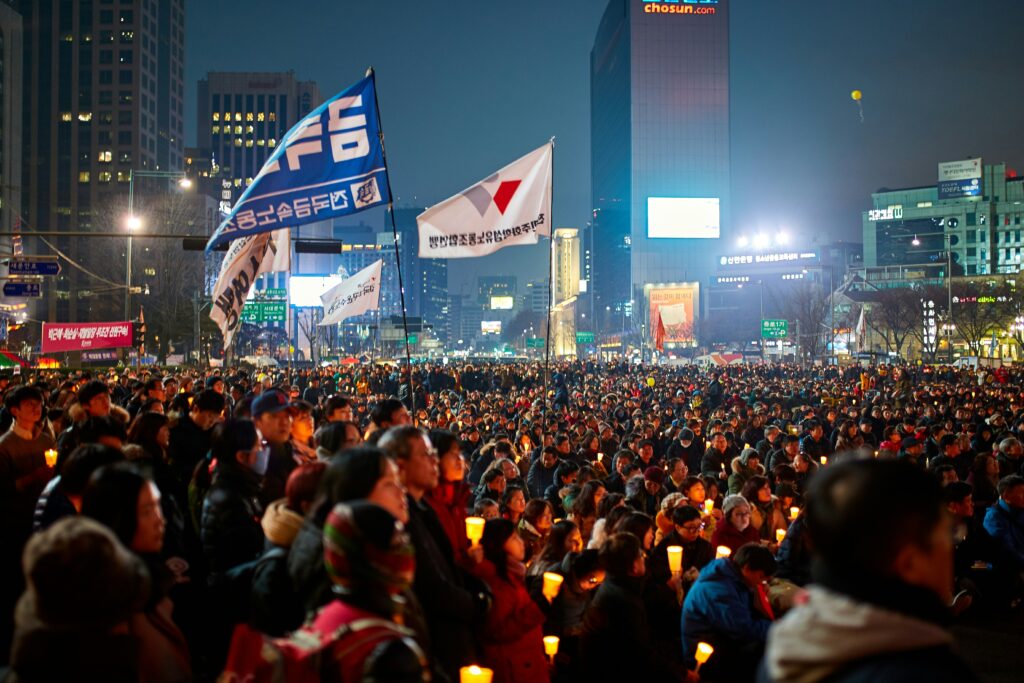
종각 타종 행사 (jonggak tajong haengsa) – Bell Ringing Ceremony: In Seoul, thousands gather at Bosingak Pavilion in Jongno to watch the ceremonial bell ringing at midnight. The bell rings 33 times to welcome the new year, and celebrities or notable figures are chosen to ring it.
해돋이 보기 (haedoji bogi) – Sunrise Watching: Many Koreans travel to famous spots like Jeongdongjin Beach or Seongsan Ilchulbong in Jeju to watch the first sunrise of the year. This tradition, called 해맞이 (haemaji), is believed to bring good luck. When watching the sunrise with others, you’ll hear 새해 복 많이 받으세요 exchanged repeatedly!
떡국 먹기 (tteokguk meokgi) – Eating Rice Cake Soup: While more associated with 설날, some families also eat �떡국 (tteokguk) on 신정. Eating this soup symbolizes gaining one year of age and starting fresh.
카운트다운 파티 (kaunteudaun pati) – Countdown Parties: Younger Koreans often celebrate at countdown parties in areas like Gangnam, Hongdae, or Itaewon in Seoul, similar to Western celebrations. These events are perfect opportunities to practice saying 새해 복 많이 받아! to your friends.
Many businesses close on January 1st, and it’s common for Koreans to send 새해 인사 문자 (saehae insa munja) – New Year greeting text messages – to friends, family, colleagues, and acquaintances. These messages typically include 새해 복 많이 받으세요 along with personalized wishes.
Writing New Year Greetings in Korean
In today’s digital age, you’ll likely send more New Year greetings via text or social media than in person. Here are some message templates you can use or adapt:
For friends and peers:
새해 복 많이 받아! 🎉 올해도 우리 자주 보자!
(saehae bok mani bada! olhaedo uri jaju boja!)
Happy New Year! Let’s meet up often this year too!
2025년 새해 복 많이 받아요~ 좋은 일만 가득하길!
(2025nyeon saehae bok mani badayo~ joeun ilman gadeukagil!)
Happy 2025! May it be filled with good things!
For colleagues and professional contacts:
새해 복 많이 받으세요. 올해도 잘 부탁드립니다.
(saehae bok mani badeuseyo. olhaedo jal butakdeurimnida.)
Happy New Year. I look forward to working with you this year.
새해에도 건강하시고 하시는 모든 일 성취하시길 바랍니다.
(saehaedo geonganghashigo hashineun modeun il seongchwihashigil baramnida.)
I hope you stay healthy and achieve all your goals in the new year.
For family members and elders:
새해 복 많이 받으세요. 건강하세요!
(saehae bok mani badeuseyo. geonganghaseyo!)
Happy New Year. Stay healthy!
새해에도 좋은 일만 가득하시길 바래요.
(saehaedo joeun ilman gadeukashigil baraeyo.)
I hope your new year is filled with good things.
Social media captions:
- 2025 새해 복 많이 받으세요 ✨ (2025 saehae bok mani badeuseyo)
- 새해 첫날! 모두들 복 많이 받으세요 🎊 (saehae cheotnal! modudeul bok mani badeuseyo) – First day of the new year! Happy New Year everyone!
- #새해복많이받으세요 #신정 #2025 (hashtags commonly used)
Common Mistakes to Avoid and Cultural Tips
As you practice your Korean New Year greetings, keep these cultural nuances in mind:
Don’t confuse 신정 and 설날: While both are New Year celebrations, 신정 (January 1st) and 설날 (Lunar New Year, usually late January or February) are distinct holidays. 설날 is generally considered more traditional and important, involving more elaborate family gatherings and customs. However, both occasions use similar greetings.
Use appropriate formality levels: Korean has different speech levels, and using the wrong one can be awkward or even disrespectful. When in doubt, use 새해 복 많이 받으세요 (the polite form) rather than the casual 받아 (bada). It’s better to be slightly more formal than not formal enough.
Timing matters: While Western cultures typically say “Happy New Year” only for a few days into January, Koreans may continue exchanging 새해 복 많이 받으세요 throughout the first half of January, especially if it’s the first time seeing someone in the new year.
Gift-giving etiquette: If you’re close with Korean friends or colleagues, consider giving 새해 선물 (saehae seonmul) – New Year gifts. Popular choices include gift sets of spam and tuna (surprisingly popular in Korea!), fruit baskets, or traditional items like honey or ginseng products. When giving gifts, use both hands and say 새해 복 많이 받으세요.
Age and hierarchy consciousness: In Korean culture, age and social position matter significantly. Always show extra respect to elders and superiors when offering New Year greetings. A proper bow combined with 새해 복 많이 받으세요 shows good cultural awareness.
세뱃돈 (sebatdon) – New Year’s money: Similar to Chinese hongbao, Korean children and unmarried young adults often receive money from elders after performing 세배 (the New Year bow). If you receive this, accept it with both hands, bow, and say 감사합니다, 새해 복 많이 받으세요 (Thank you, Happy New Year to you too).
Start Your Year with Confident Korean!
Now you’re equipped with everything you need to confidently share New Year greetings in Korean! Whether you’re celebrating at a countdown party in Seoul, sending text messages to Korean friends, or paying respect to Korean elders, 새해 복 많이 받으세요 is your passport to meaningful cultural connections.
Remember, language learning isn’t just about memorizing phrases—it’s about understanding the culture and context behind them. The Korean New Year traditions reflect values of respect, family, fresh starts, and communal celebration. By using these greetings appropriately, you’re not just speaking Korean; you’re participating in centuries of cultural tradition.
Want to learn more Korean phrases for special occasions? Subscribe to uBitto for weekly lessons on practical Korean that you can use in real-life situations. From holiday greetings to everyday conversations, we’ll help you sound natural and culturally aware.
새해 복 많이 받으세요! May your Korean learning journey in 2025 be filled with progress and joy. What Korean phrases do you want to learn next? Share your goals in the comments below, and let’s make this year your breakthrough year for Korean fluency!
Follow uBitto on social media for daily Korean tips, cultural insights, and special holiday content. Let’s make learning Korean your most successful New Year’s resolution! 화이팅! (hwaiting – you can do it!)




Responses